We work to harmonize pesticide regulations to
Facilitate International Trade
For more than a decade, we have provided agricultural regulatory and technical services to harmonize pesticide registrations and residue standards to facilitate international trade for specialty crops. Experts in the fields of pesticide chemistry, toxicology, agricultural trade and food safety systems guide our work.
We Support U.S. Specialty Crop Growers to reduce barriers to trade.
We work across Asia, Africa, and Latin America to support farmers in agricultural best practices.
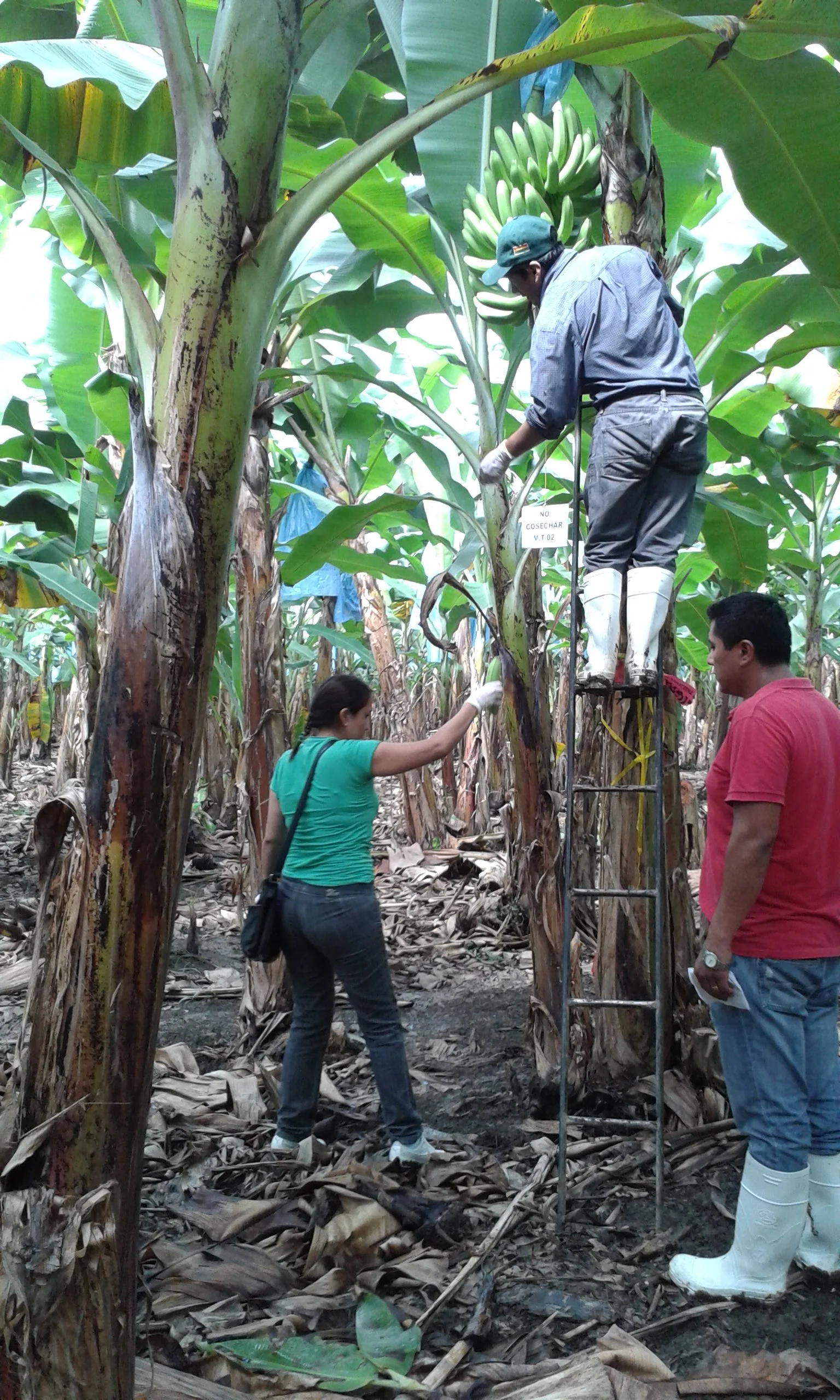
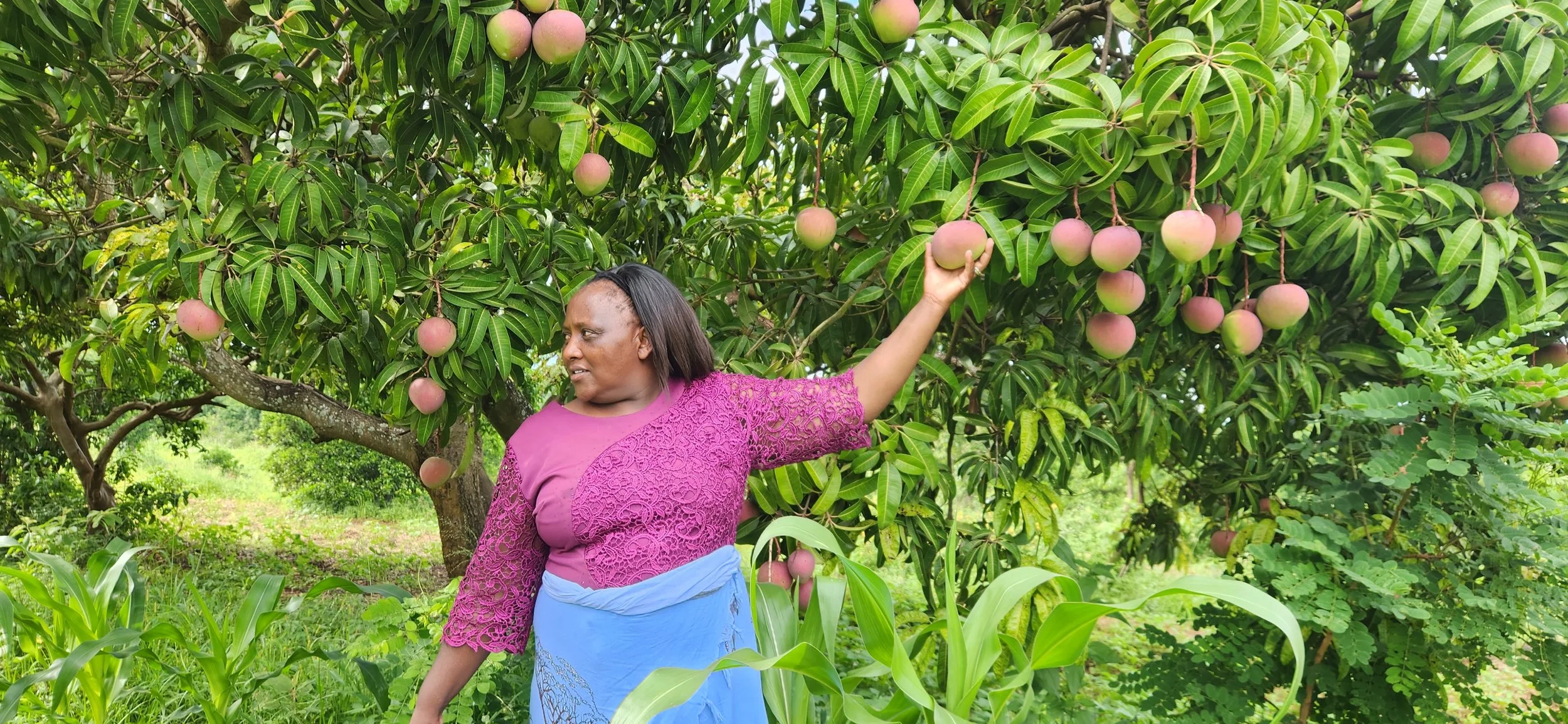
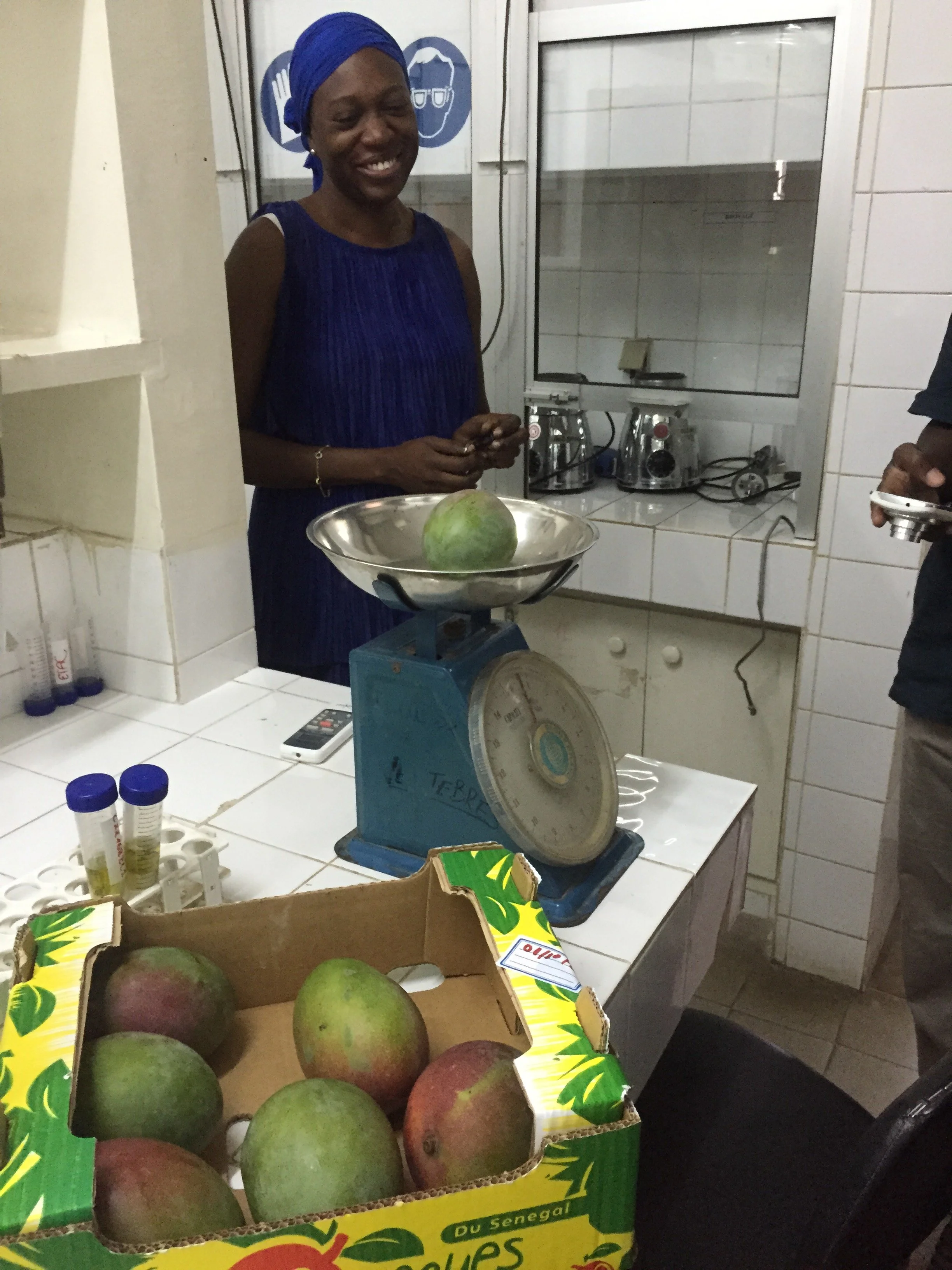
Through Standards and Trade Development Facility funding, we improved the technical capacity of 160 scientists and government officials in applying Good Agricultural Practices (GAP) and Good Laboratory Practices (GLP) to pesticide residue data generation. We conducted field trials in 17 countries across Asia, Africa, and Latin America including Thailand. The project facilitated the approval of 6 new global residue limits (Codex MRLs), and supported the national registration of low-risk pesticide options in Colombia, Panama, Costa Rica, Guatemala, Uganda, Kenya, and Tanzania.
We provide technical assistance to countries as they modernize their agrochemical laws and policies.
Currently we’re working in Pakistan as the technical team responsible for transforming legacy departmental structures to a modern, risk-based regulatory authority. This requires the development of comprehensive new rules and regulations including operational standards and frameworks for risk assessment, risk management, provincial coordination, market access, and export promotion.
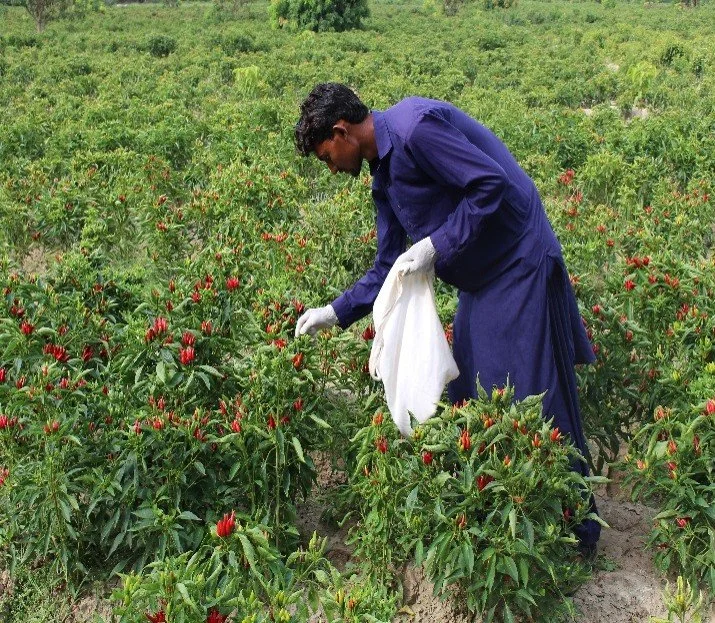
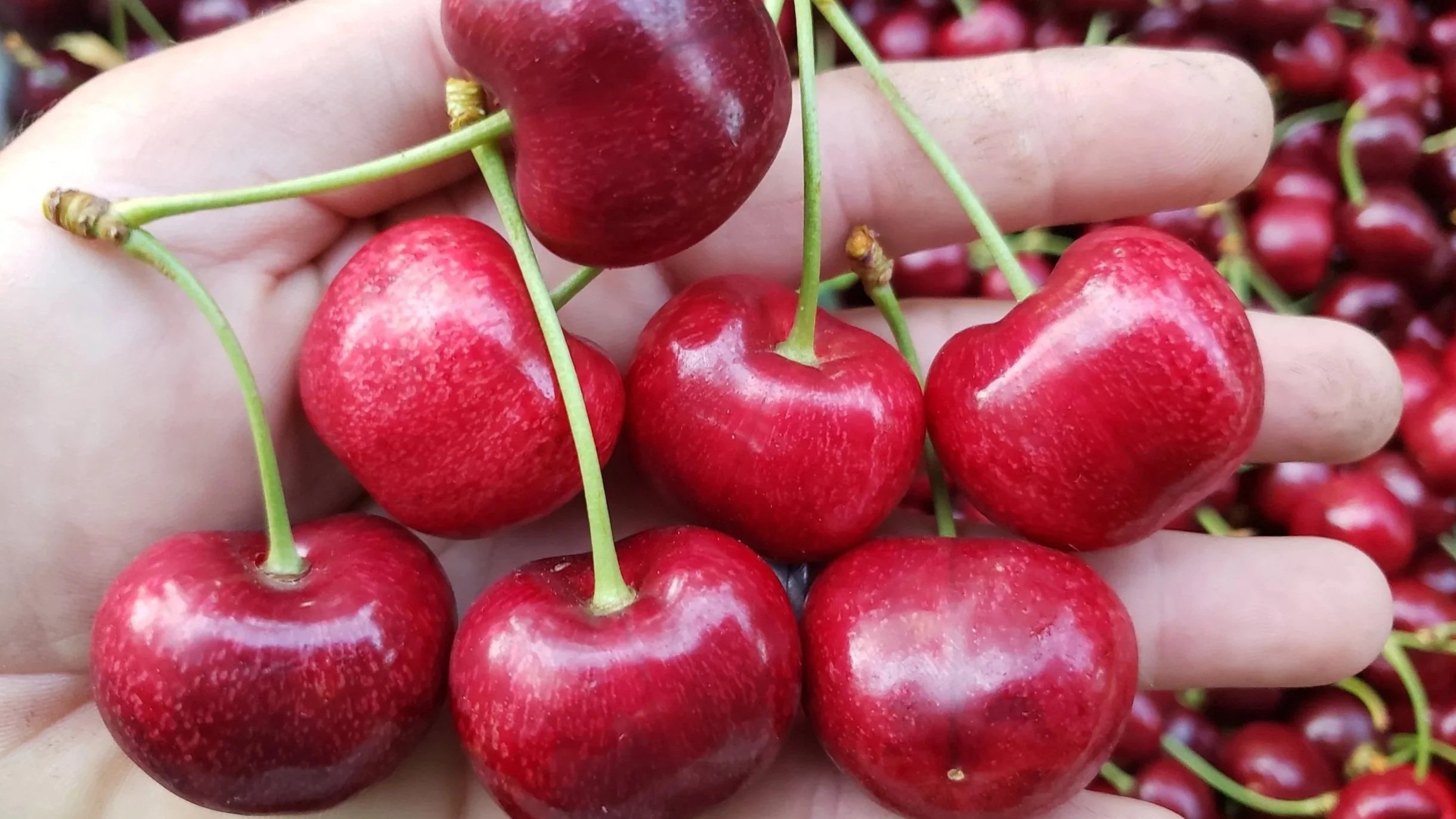
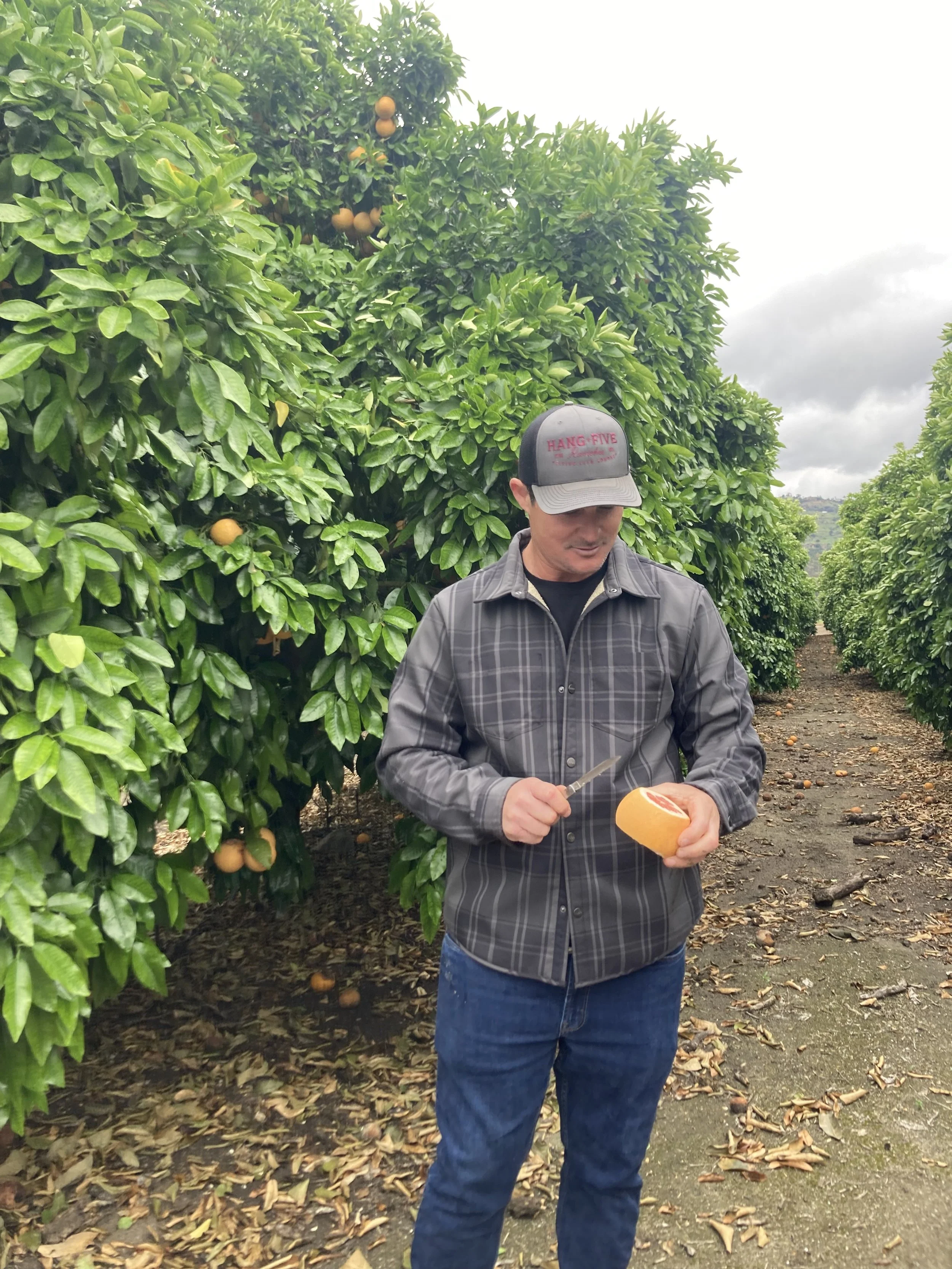
Over 40 U.S. commodity groups and growers participate quarterly in our Assisting Speciality Crop Exports (ASCE) Initiative helping to prioritize U.S. trade needs in Asia. In 2026, we submitted over 60 new import residue limits in Australia, Japan, Korea and Taiwan to prevent crop rejections.
Our Services:
Pesticide Regulation Review & Enhancement
We identify and facilitate opportunities to harmonize pesticide regulations to boost international trade for U.S. commodity growers. We help countries develop policies, regulations, and standards. We support pesticide modernization efforts across the world.
Capacity Building & Training
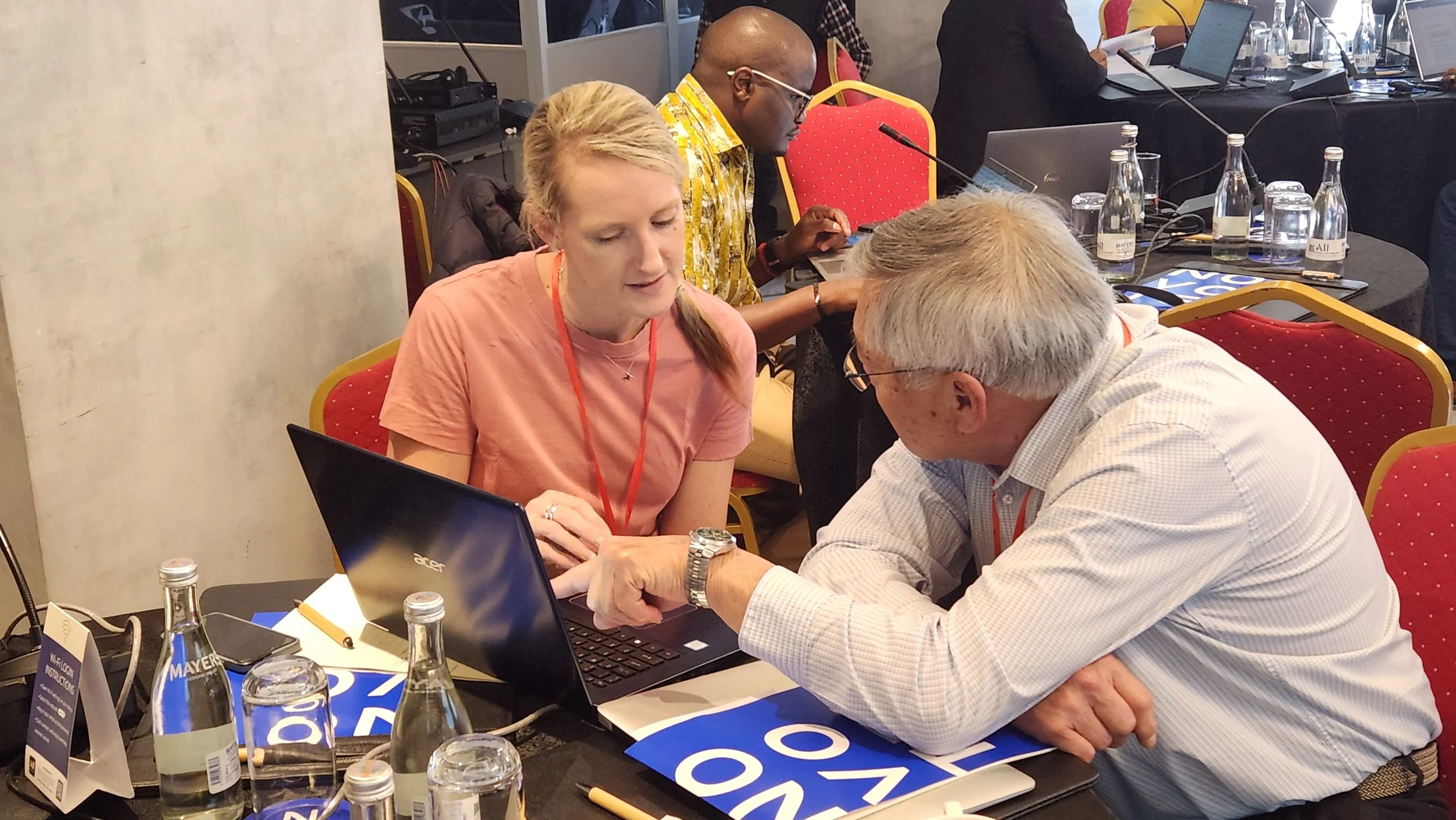
We work with growers, regulators, government officials, commodity representatives, chemical companies, and others to build capacity for effective pesticide and biopesticide use and regulation. We help ensure growers worldwide have access to safe, effective pest-control tools.
Pesticide & Bio-pesticide Research
We conduct field efficacy trials on traditional, GRAS (generally regarded as safe), and bio-pesticides for U.S. and international crops. We research appropriate timing of pesticide application to mitigate for residues and to find effective alternatives to conventional pesticides.